

Healing for Childhood Wounds
Online & In-person in texas
It’s Time to Give Voice to the Childhood Part of You that was Hurt
Healing for childhood wounds focuses on experiences that shaped a person early in life, often before they had language, choice, or power to understand what was happening.
Childhood wounds can form when a child’s emotional, relational, or physical needs were unmet, inconsistently met, or misunderstood. These experiences may include physical and emotional neglect, instability, parentification, criticism, lack of protection, or environments where a child had to grow up too quickly.
These wounds are not a reflection of weakness or failure. They are often the result of a child adapting in order to stay connected, safe, or loved.
Healing does not mean blaming the past. It means understanding how early experiences continue to shape the present, and creating space for restoration at the root.
If you’re looking for structured support that helps people move beyond survival and into lasting change, explore Trauma Therapy in Texas or Therapy in Irving, TX.
HOW IT MAY SHOW UP
It Can Look Like:
People-pleasing or difficulty setting boundaries
Hyper-independence or discomfort receiving help
Over-responsibility or caretaking roles
Emotional withdrawal or numbness
Difficulty trusting authority or feeling safe in relationships
It Can Sound Like:
“I shouldn’t need help.”
“I have to keep it together.”
“Other people had it worse.”
“I don’t want to be a burden.”
“I’m not enough” or “I’m too much.”
It Can Feel Like:
Chronic guilt or shame
A sense of being unseen or overlooked
Grief for what was never received
Anxiety when needs arise
A quiet sense of loneliness, even in close relationships
Many people also find Couples Therapy in Texas helpful when wounds show up in partnership dynamics.
WHAT’S BENEATH THE SURFACE
At the root of many childhood wounds is a younger part of you that learned how to adapt in environments where safety, protection, or emotional attunement was inconsistent.
That wounded child may still carry unmet needs, unexpressed emotions, or beliefs formed early, long before adult reasoning developed. In adulthood, this can surface during moments of stress, conflict, or vulnerability, often reacting from the original wound rather than the present moment.
Healing involves acknowledging that younger part of you with compassion—allowing it to be seen, heard, and understood in ways it was not able to experience as a child.
OUR APPROACH TO HEALING

At Thrive House, healing childhood wounds is approached with gentleness, patience, and care. We do not rush insight or push individuals toward vulnerability before safety is established.
Our work includes:
Creating a safe, relational space where early experiences can be explored without judgment
Helping clients understand how childhood adaptations show up in adult life
Supporting awareness of different internal parts and how they learned to protect
Offering space for the wounded childhood part to be acknowledged, validated, and cared for
Moving at a pace the nervous system can tolerate
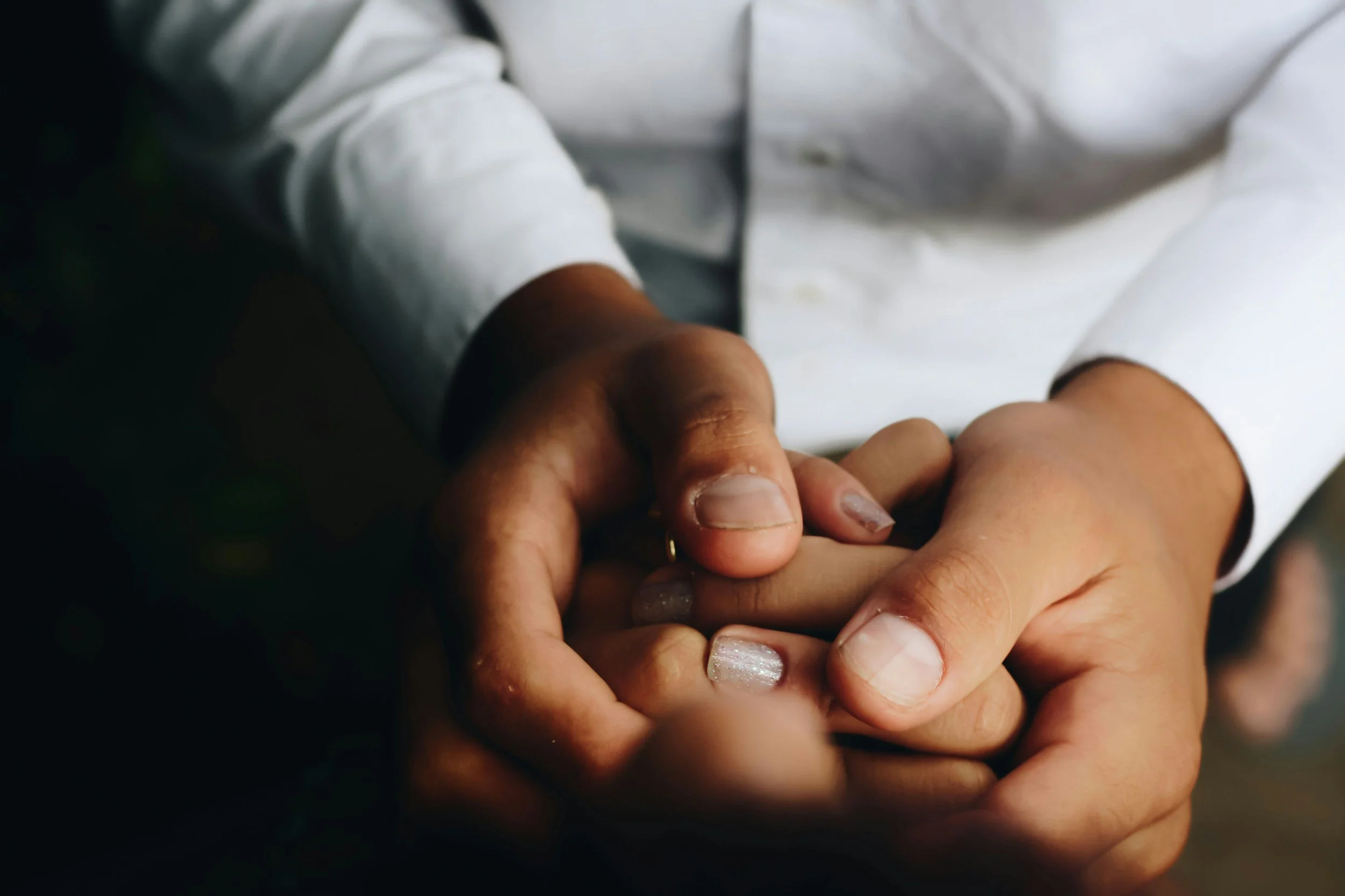
Who This Work Is For
This work may be especially supportive for individuals who:
Feel exhausted from always being “the strong one”
Struggle with boundaries, rest, or asking for help
Notice recurring emotional or relational patterns
Carry grief for unmet childhood needs
Often feel a sense of rejection, exclusion, or being left out
Desire healing beyond coping strategies
A Gentle Invitation
Healing childhood wounds is an act of courage and compassion. You do not need to have everything figured our or know exactly what you need.
If you sense that early experiences may still be shaping your present, support is available. Healing does not require reliving the past. It begins by being met with care in the present.
Looking for support?
Start With:
FAQS
Common questions about healing for childhood wounds
-
Childhood wounds often show up in patterns rather than memories. You may notice repeated struggles with self-worth, relationships, boundaries, or emotional regulation, even when you “know better” or have worked on these things before.
Common signs can include feeling responsible for other’s emotions, difficulty asking for help, emotional numbness, chronic self-criticism, people-pleasing, or feeling easily overwhelmed by stress or conflict. You don’t need to remember specific events for childhood wounds to be present. If early experiences still shape how you respond to life today, they may be worth exploring.
-
Many people minimize their experiences because they believe others had it worse. Childhood wounds are not defined only by obvious trauma, but also by what was missing—emotional safety, consistency, attunement, or protection.
Healing is not about blaming caregivers or comparing stories. It’s about honoring how your body and nervous system adapted to early environments and understanding how those adaptations may still be influencing your life.
If something continues to hurt, it deserves care.
-
Many people who seek this work have already spent time in therapy and understand their diagnoses. While diagnostic language can be helpful for understanding patterns and symptoms, it doesn’t always address the deeper wounds that formed beneath them.
At Thrive House, we look beyond symptoms such as anxiety, depression, or trauma responses to explore the early experiences and relational dynamics that shaped them. Rather than focusing solely on managing symptoms, we work at the root—supporting safety, regulation, and integration so change can be lasting, not just functional.
This approach doesn’t replace traditional therapy—it deepens it. It’s designed for those who are ready to move beyond coping and toward healing.