

Healing for Children, Adolescents, and Teens
Online & In-person in texas
When children and teens are supported early, wounds don’t have to become lifelong patterns.
Healing for children, adolescents, and teens focuses on addressing emotional, relational, and developmental wounds early, before they become deeply embedded patterns carried into adulthood.
Children, adolescents and teens experience real pain, loss, trauma, and relational disruption. While the expression of these wounds may look different than in adults, their impact is no less significant. Young people can carry grief, fear, shame, confusion, and unmet needs that deserve care, protection, and understanding.
Healing at this stage is not about labeling or pathologizing children. It is about creating safety and providing developmentally appropriate support so wounds can be processed, understood, and integrated—rather than carried forward in silence.
Thrive House Wellness provides care for young people through a trauma-informed lens. Families can explore statewide options through Trauma Therapy in Texas or access in-person services with Therapy in Irving, TX.
HOW IT MAY SHOW UP
It Can Look Like:
Changes in mood, behavior, or school performance
Difficulty with emotional regulation or transitions
Withdrawal, irritability, or emotional outbursts
Regressive behaviors or increased dependency
Challenges with peers, caregivers, or authority figures
It Can Sound Like:
“Nobody understands me.”
“I don’t care.”
“I’m bad.”
“I don’t want to talk about it.”
“You like _ more than you like me.”
“It’s all my fault.”
It Can Feel Like:
Confusion, fear or overwhelm
Loneliness or feeling misunderstood
Anxiety or sadness without clear explanation
A lack of safety or predictability
Difficulty trusting others
WHAT’S BENEATH THE SURFACE
Beneath challenging behaviors or emotional struggles is often a young person trying to make sense of their world with limited language, power, or control.
Children and teens may carry wounds related to instability, loss, trauma, family conflict, sudden, unexplained change, unmet emotional needs, rejection, or exclusion. Without support, these experiences can quietly shape how they see themselves, how safe relationships feel, and how they learn to cope with stress.
Healing involves helping young people feel seen, protected, and understood—while honoring their developmental stage and emotional capacity.
When children’s struggles are connected to family stress or relational patterns, some families also choose to engage in Couples Therapy in Texas alongside individual support.
OUR APPROACH TO HEALING
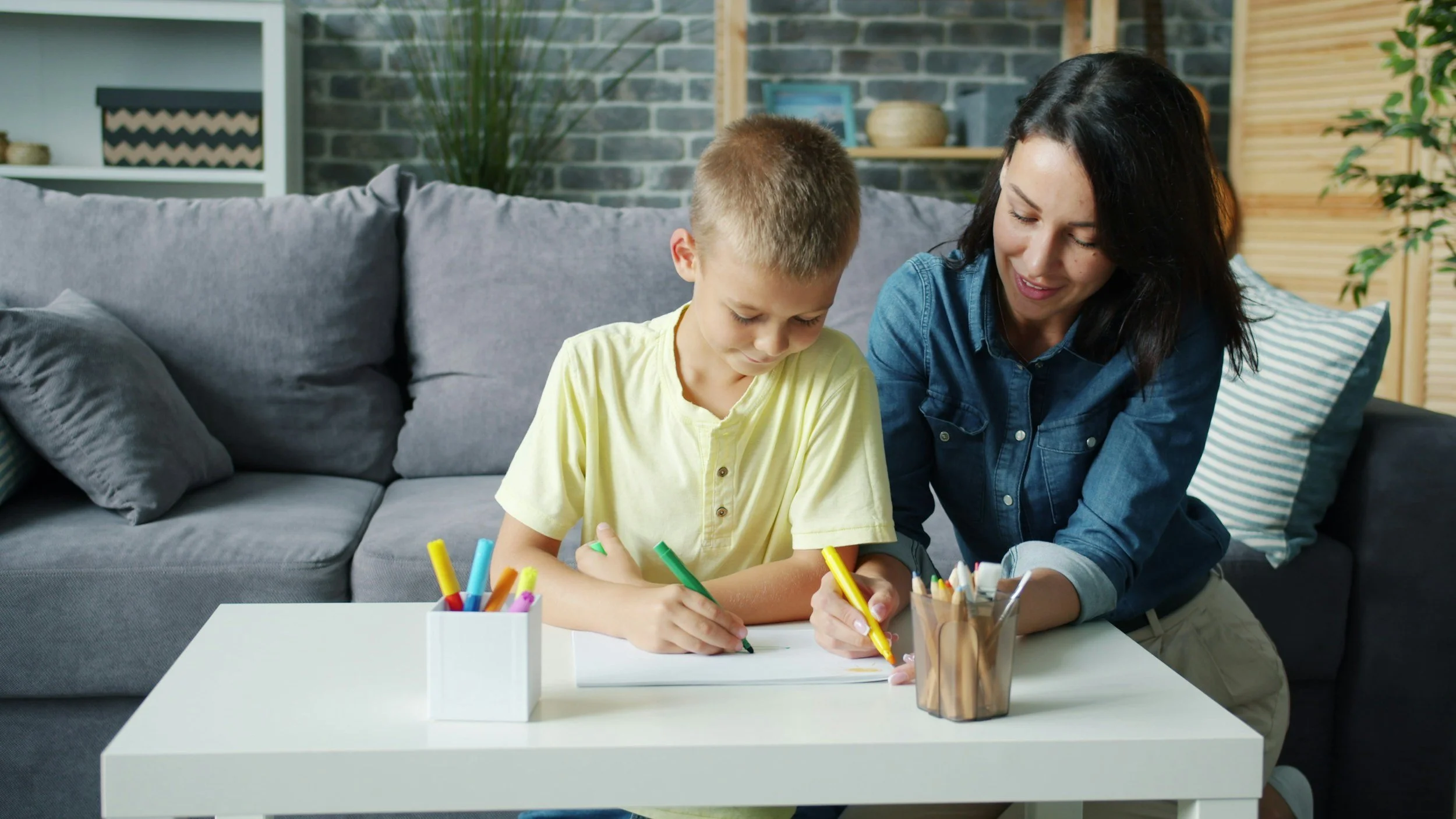
At Thrive House, healing for children, adolescents, and teens is grounded in safety, relationship, and developmentally attuned care. We recognize that young people often communicate and process experiences through movement, creativity, play, and activity—not just conversation.
Our work may include:
Play therapy and activity-based interventions that allow children to express and process experiences in ways that feel natural and safe
Creative approaches such as art, movement, games, and storytelling
Helping children and teens build emotional awareness and regulation at an age-appropriate pace
Supporting caregivers with insight, guidance, and collaboration when appropriate
Moving slowly and intentionally, without forcing disclosure or insight.
Play and activity therapies are not “less serious” forms of therapy. They are often the most effective language for healing at this stage of development.

Who This Work Is For
This work may be especially supportive for individuals who:
Have experienced changes, loss or instability
Struggle with emotions, behavior, or relationships
Have difficulty expressing feelings with words alone
Appear anxious, withdrawn, or overwhelmed
Need a safe space to process experiences at their own pace
A Gentle Invitation
Children and teens do not need to have insight or language for what they are experiencing in order to begin healing.
If you are a caregiver noticing changes in your child, or a young person who feels misunderstood or overwhelmed, support is available. Healing begins by creating a space where safety, understanding, and care come first.
Not sure where to start?
Learn more about our primary therapy paths:
• Therapy in Irving, TX
• Trauma Therapy in Texas
• Couples Therapy in Texas
FAQS
Common questions about healing for children, adolescents and teens
-
Children and teens often express distress through behavior, emotions, or changes in functioning rather than words. You may notice increased anxiety, withdrawal, irritability, changes in sleep or appetite, difficulty at school, emotional outbursts, or challenges in relationships.
Needing support does not mean something is “wrong” with your child. It often means they are navigating experiences or emotions they don’t yet have the tools to process on their own.
-
Therapy for children and teens at Thrive House is developmentally appropriate, relational, and paced with care. For younger children, sessions may include play-based or expressive approaches. For adolescents and teens, therapy often focuses on emotional regulation, identity development, relationships, and understanding internal experiences.
Safety and trust come first. Therapy is not about forcing disclosure or labeling behavior, but about helping young people feel understood, supported, and equipped.
-
Parents and caregivers play an important role in a child or teen’s healing. One way to expect to be involved is through parent consultations. Depending on age and needs, involvement may include parent sessions, guidance around supporting regulation at home, and collaboration to ensure consistency and safety.
At Thrive House, caregiver involvement is approached thoughtfully—respecting the child or teen’s privacy while recognizing the importance of the family system in healing.