

Healing for Identity Wounds
Online & In-person in texas
Identity wounds can quietly shape how we see ourselves, our worth, and our place in the world.
Healing for identity wounds focuses on disruptions in how individuals understand their worth, value, and sense of self.
Identity wounds often form through relationships and repeated experiences—particularly in environments where roles, labels, expectations, or comparisons replaced unconditional acceptance. Over time, individuals may learn who they are supposed or expected to be rather than discovering who they truly are.
These wounds are not about vanity or insecurity. They are often the result of adapting to relational dynamics in order to belong, stay connected, or avoid rejection.
Healing involves identifying where identity was shaped by survival, performance, or comparison—and creating space to return to a more grounded, authentic sense of self.
Many people with these experiences benefit from Trauma Therapy in Texas or Therapy in Irving, TX.
HOW IT MAY SHOW UP
It Can Look Like:
People-pleasing or over-functioning
Perfectionism or fear of failure
Difficulty setting boundaries or saying no
Taking on roles that prioritize others’ needs over one’s own
Feeling responsible for others’ emotions or outcomes
It Can Sound Like:
“I have to earn my worth.”
“I’m only valuable if I’m useful.”
“I don’t want to disappoint anyone.”
“I should be able to handle this.”
It Can Feel Like:
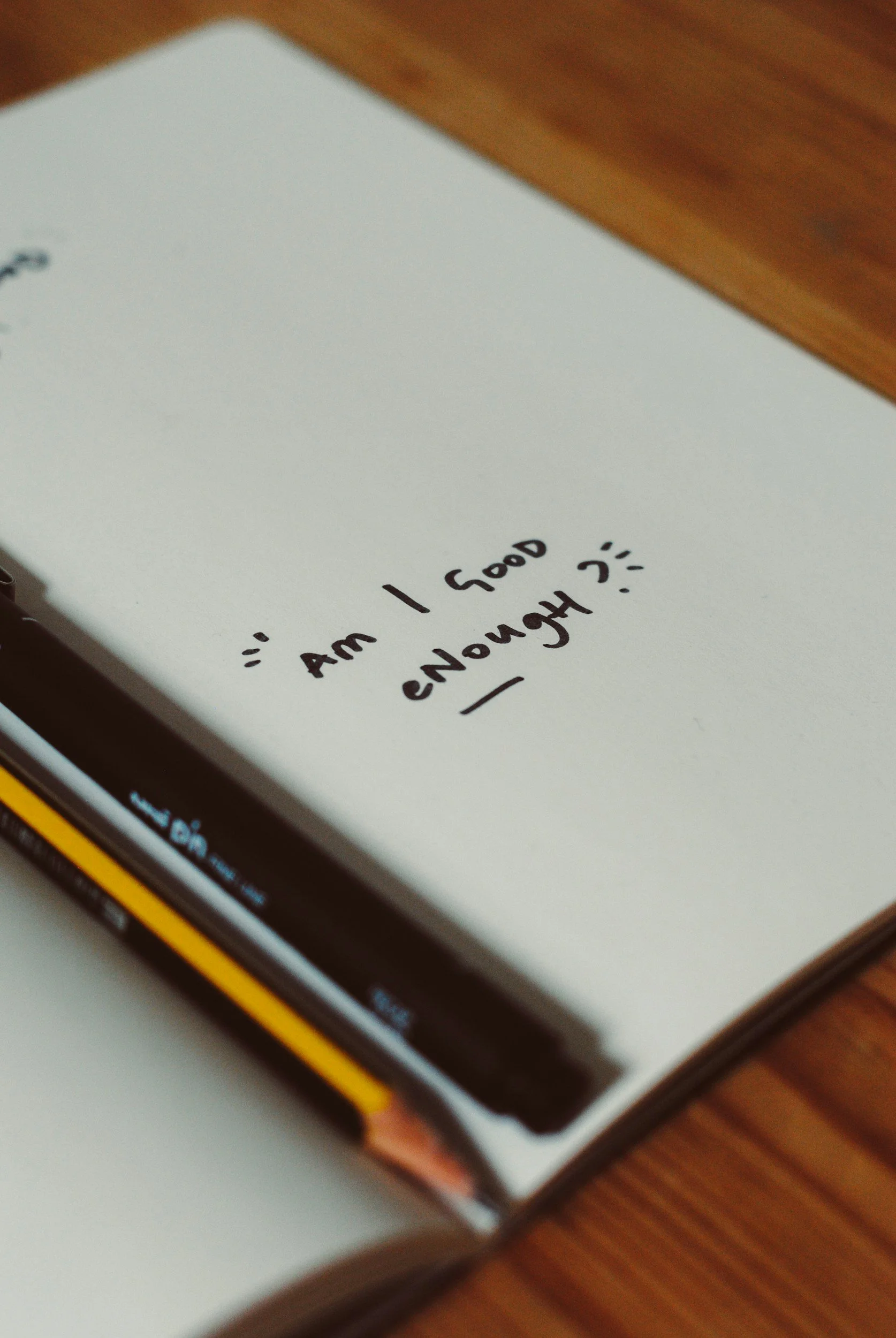
A constant sense of inferiority or not being “enough”
Anxiety around performance or expectations
Constant comparison of yourself to others
Shame when needs or limits arise
Confusion about personal desires, needs or direction
Exhaustion from constantly showing up for others
We also offer Couples Therapy in Texas for people exploring how identity wounds show up relationally.
WHAT’S BENEATH THE SURFACE
At the root of many identity wounds are early messages, spoken or unspoken, about who a person is allowed to be in order to be accepted, valued, or loved.
These messages may come through comparison, favoritism, well-intended labels, family roles, cultural expectations, or repeated relational dynamics. Even when caregivers or others had good intentions, these experiences can shape beliefs about worth and belonging.
Over time, individuals may begin to live from assigned roles rather than internal truth—organizing their lives around approval, usefulness, or achievement.
Healing involves gently uncovering where identity shifted and offering safety, acceptance, and compassion where pressure or comparison once existed.
OUR APPROACH TO HEALING

At Thrive House, healing identity wounds is approached with care, curiosity, and deep respect for each person’s lived experience. We do not rush self-definition or attempt to replace one identity narrative with another.
Our work often includes:
Exploring how identity was shaped through relationships and roles
Helping clients recognize patterns of people-pleasing, perfectionism, or self-abandonment
Supporting the development of self-compassion, safety, and internal acceptance; creating space to challenge distorted beliefs about worth and value
Moving at a pace that allows insight to be integrated, not imposed.
Healing identity wounds is not about becoming someone new, it is about reconnecting with who you have always been beneath adaptation and expectation.
Who This Work Is For
This work may be especially supportive for individuals who:
Feel driven by approval, performance or usefulness
Struggle with perfectionism or people-pleasing
Have difficulty knowing their needs, limits, or desires
Carry a sense of inferiority or self doubt
Feel disconnected from their authentic self
Can no longer see identity outside of violation or trauma experienced
A QUICK NOTE ABOUT WHY THIS MATTERS
We believe healing is about more than managing behaviors or improving functioning. When identity wounds are addressed, individuals are freed to live from truth rather than adaptation.
As healing unfolds, many begin to experience greater clarity about who they are, increased confidence in their relationships, and a deeper sense of rest within themselves. This work may also open space to better understand who Christ is and how His love speaks directly to places where worth and identity were once distorted.
Our hope is that individuals leave this work no longer defined by roles, comparison, or expectation, but grounded in restored identity, freedom, and truth.
A Gentle Invitation
If you feel tired of striving, proving, or performing and sense there may be more to who you are than what you’ve learned to show—healing is possible.
You do not need to have language for your identity or clarity about your direction to begin. Healing starts by creating space for truth, safety, and acceptance to take root.
FAQS
Common questions about healing for identity wounds
-
Identity wounds develop when early experiences, relationships, or environments shape a person’s sense of worth, value, or belonging in painful or limiting ways. These wounds often form when love, safety, or approval felt conditional—leading individuals to define themselves by roles, performance, comparison, or survival rather than authenticity.
Identity wounds are not always obvious. Many people function well externally while internally feeling unsure, inadequate, or disconnected from who they truly are.
Some people find themselves over-functioning, people-pleasing, or staying in relationships that don’t feel safe. Others cope by distancing, shutting down, or avoiding vulnerability. These patterns are not flaws—they are adaptive responses formed in early relationships.
-
Identity wounds often form through repeated messages—spoken or unspoken—that shape how a person comes to understand their worth, value, or place in the world. These messages may come from caregivers, authority figures, peers, cultural expectations, or significant life experiences.
Common experiences or messages can include:
Feeling valued primarily for performance, achievement, or behavior
Being compared to siblings, peers, or others
Receiving inconsistent affection, approval, or attention
Being told to suppress emotions, needs, or parts of yourself to be accepted
Being labeled as “too much,” “not enough,” or “the responsible one”
Growing up in environments where love felt conditional
Experiencing criticism, neglect, or emotional unavailability
Over time, these experiences can shape internal beliefs about who a person must be in order to belong or feel safe. Identity wounds develop not because something is wrong with the individual, but because the environment required adaptation for survival.
-
Identity wounds can be healed.
Healing involves gently exploring where beliefs about worth and identity were formed and creating space for those beliefs to be examined and reshaped. This work unfolds through safety, compassion, and integration—not pressure to “be confident” or perform a new version of yourself.
Over time, healing identity wounds allows individuals to live with greater clarity, steadiness, and freedom—no longer driven by who they had to be to survive.